Your bedroom should be a calm, restful space that promotes good sleep and relaxation. It's not just about aesthetics—the way your bedroom is organized and maintained directly affects how well you rest.
The Foundation: A Well-Made Bed
Making your bed each morning takes two minutes and sets a positive tone for your entire day. It's also the single biggest visual improvement you can make to your bedroom.
- Keep it simple: fitted sheet, flat sheet, duvet or comforter, pillows
- Change sheets weekly for better sleep and hygiene
- Use breathable, natural fabrics like cotton or linen
- Layer blankets for adjustable warmth
- Fluff and arrange pillows each morning

Clothing Storage and Organization
Clothing clutter is one of the main sources of bedroom mess. Create systems that make it easy to keep things tidy:
- Closet: Organize by category (shirts, pants, dresses) or by outfit type (work, casual, formal)
- Drawers: Use dividers for small items like socks and underwear
- Hangers: Use matching hangers—it looks neater and clothes hang better
- Out-of-season items: Store them elsewhere to free up daily-use space
- The chair: If you have a clothing chair, replace it with a proper laundry hamper and hooks for items you'll wear again
Nightstand Essentials
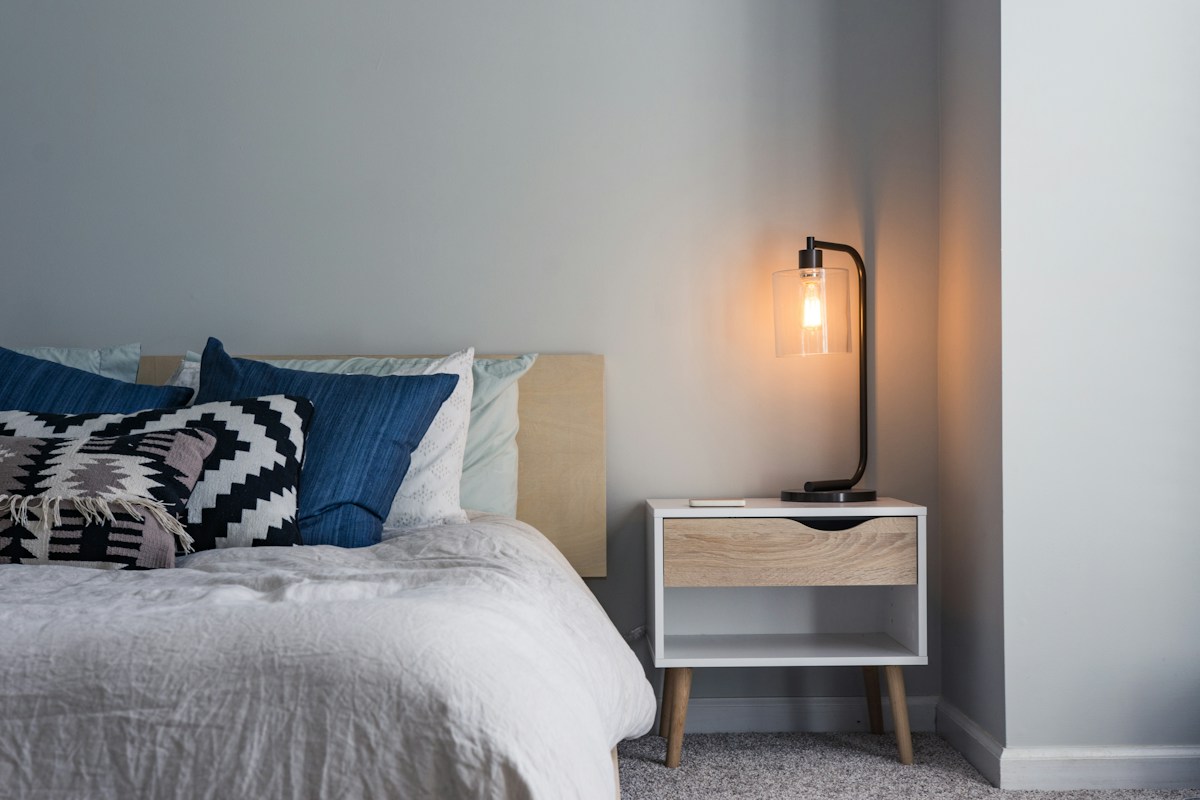
Keep your nightstand minimal and functional. Only keep what you actually use before bed or first thing in the morning:
- A lamp with soft, warm light
- A book if you read before sleep
- A glass of water
- Alarm clock (or use your phone)
- Maybe a small dish for jewelry or glasses
Everything else is just clutter. Clear it off and you'll be surprised how much more peaceful your bedroom feels.
Managing Light for Better Sleep
Light affects your sleep quality significantly:
- Morning: Open curtains or blinds to let natural light in—it helps you wake up naturally
- Evening: Use dim, warm lighting (lamps rather than overhead lights) to signal your body it's time to wind down
- Night: Make the room as dark as possible with blackout curtains or shades
- Electronics: Remove or cover any lights from devices (phone chargers, alarm clocks with bright displays)
Temperature and Air Quality
The bedroom environment affects sleep quality:
- Keep the room cool—most people sleep better in temperatures between 60-67°F (15-19°C)
- Open a window for fresh air when possible
- Wash bedding regularly to reduce dust and allergens
- Vacuum or sweep weekly, including under the bed
- Consider an air purifier if you have allergies
Minimizing Bedroom Clutter
A cluttered bedroom creates mental clutter. Keep these areas clear:
- Floor: Should be mostly clear except for essential furniture
- Surfaces: Dresser tops, nightstands, and window sills shouldn't be covered with items
- Under the bed: Either keep it completely clear or use slim storage containers for out-of-season items
- Chair or bench: For sitting, not for piling clothes
Daily Bedroom Habits
Small daily actions keep your bedroom pleasant:
- Make your bed every morning
- Put dirty clothes in the hamper immediately
- Hang up or fold clothes you'll wear again
- Put items back where they belong before bed
- Open curtains in the morning, close them at night
- Keep a small dish or tray on your dresser for daily items (wallet, keys, phone)
Weekly Bedroom Tasks
In addition to daily maintenance, do these weekly:
- Change bed linens
- Dust all surfaces including nightstands, dresser, and windowsills
- Vacuum or sweep the floor
- Wipe down mirrors
- Open windows for fresh air (weather permitting)
What Doesn't Belong in the Bedroom
Some items disrupt sleep or create clutter:
- Work materials and laptop (keep work out of your sleep space)
- Television (if possible—it interferes with sleep quality)
- Exercise equipment (unless you have a large room and designated area)
- Piles of paperwork or mail
- Excessive decorations that collect dust
Creating a Restful Atmosphere
Beyond organization and cleanliness, small touches make your bedroom more inviting:
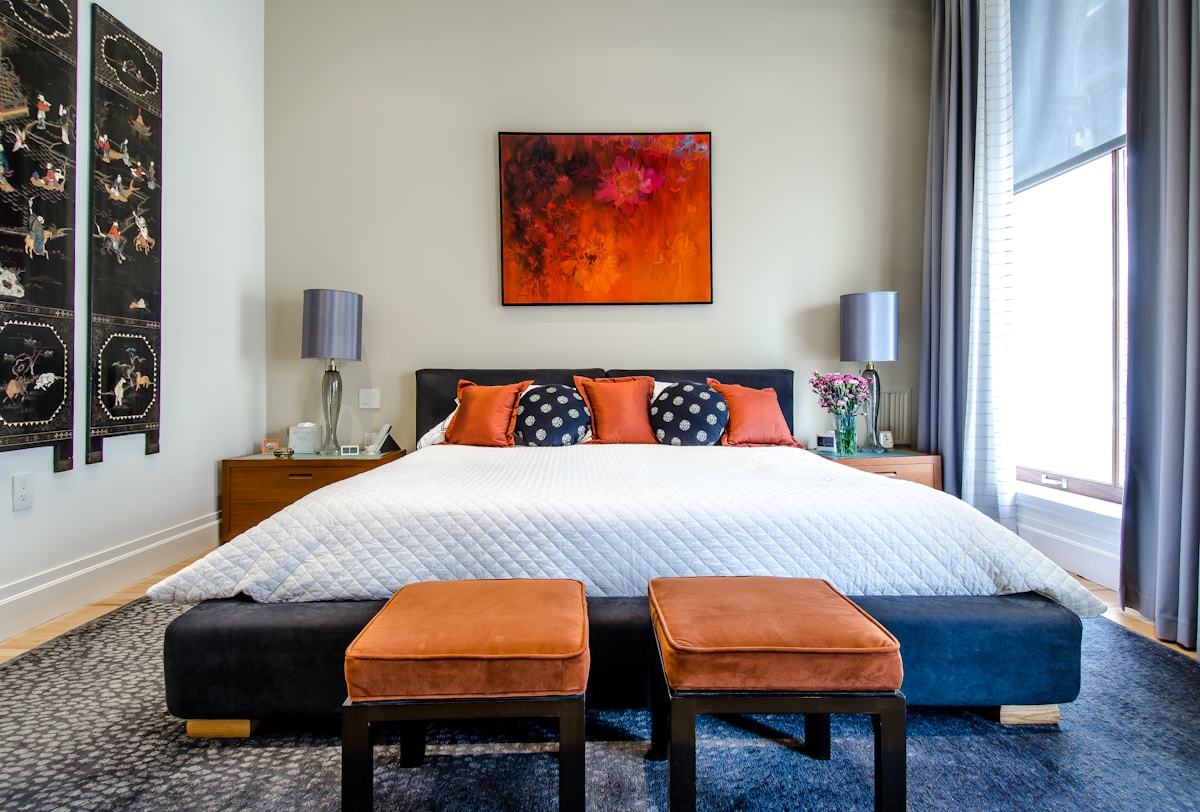
- Use soft, neutral colors that feel calming
- Add texture with throw pillows or a soft blanket
- Keep one or two meaningful items on display rather than crowding surfaces
- Use gentle, indirect lighting
- Consider a small plant if you enjoy caring for them
Final Thoughts
Your bedroom should be your sanctuary—a place that supports rest, relaxation, and restoration. It doesn't need to look like a magazine photo, but it should be clean, organized, and free of unnecessary distractions.
Start with the basics: make your bed daily, put clothes away, and keep surfaces clear. These simple habits create a peaceful environment that genuinely improves your quality of rest and daily life.