
Clutter accumulates gradually until one day you realize your home feels chaotic and overwhelming. Decluttering isn't about achieving minimalist perfection—it's about creating space for what matters and removing what doesn't serve you.
This guide offers practical strategies for decluttering your home without the stress, drama, or unrealistic expectations often associated with the process.
Why Decluttering Matters
Beyond aesthetics, clutter affects your daily life in tangible ways:
- Makes it harder to find what you need
- Creates visual and mental stress
- Makes cleaning take longer
- Wastes space in your home
- Can make you feel overwhelmed and out of control
Decluttering creates physical and mental space, makes your home easier to maintain, and helps you focus on what you actually use and value.

The Basic Decision Framework
For each item you're considering, ask yourself:
Keep if:
- You use it regularly
- It serves a clear purpose
- It brings you genuine joy or comfort
- You would buy it again if you didn't have it
- It's in good condition and functional
Let go if:
- You haven't used it in over a year
- It's broken and you haven't fixed it
- You're keeping it out of guilt
- You're saving it "just in case" but that case never comes
- It doesn't fit (clothes) or work properly (everything else)
Where to Start
Don't try to declutter your entire home in one weekend. Start small and build momentum:
- One drawer: Pick a single drawer and completely declutter it
- One shelf: Clear and reorganize just one shelf
- One category: Gather all items of one type (pens, water bottles, etc.) and pare down
- 15-minute sessions: Set a timer and declutter for just 15 minutes
- One box: Fill one donation box this week
Small wins create motivation to tackle larger areas.
Room-by-Room Decluttering
Kitchen
Common clutter culprits:
- Duplicate utensils and gadgets you never use
- Expired food and spices
- Mismatched food containers without lids
- Promotional water bottles and mugs
- Single-use appliances that take up valuable space
- Takeout condiments and plastic utensils
Bedroom
Focus areas:
- Clothes you don't wear (too small, too big, out of style, uncomfortable)
- Shoes that hurt or you never choose
- Items on nightstands that don't belong there
- Decorations that just collect dust
- Old magazines and books you won't reread
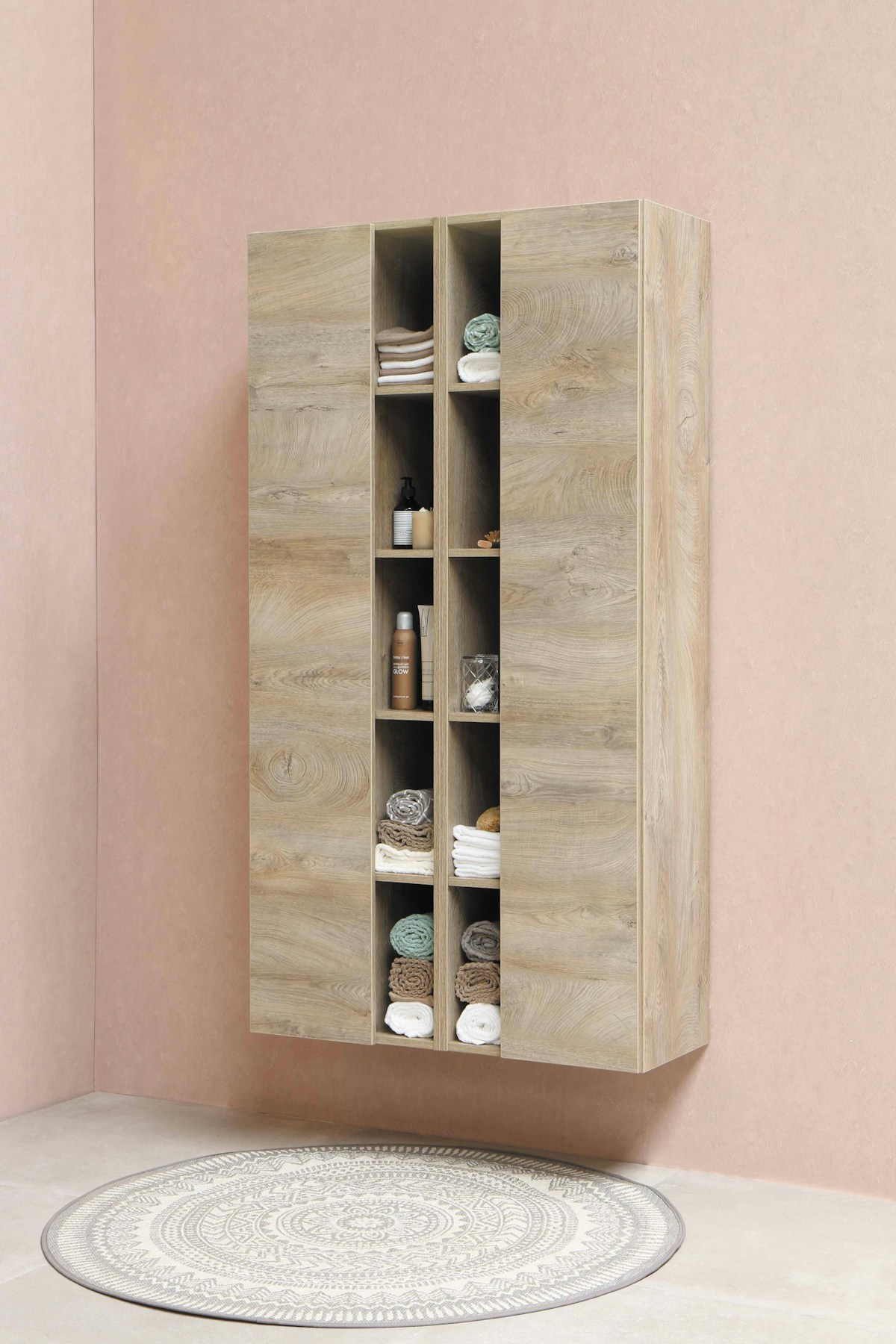
Bathroom
Quick declutter targets:
- Expired medications and cosmetics
- Sample-size products you'll never use
- Duplicate items (how many half-used bottles of lotion do you need?)
- Old towels and linens
- Products that didn't work for you
Living Room
Common problem areas:
- Old magazines and newspapers
- DVDs or games you don't watch/play
- Decorative items you no longer like
- Blankets and pillows you don't use
- Books you won't read again
The Four-Box Method
When decluttering a room or area, use four boxes or bags:
- Keep: Items that stay in this space
- Donate/Sell: Good condition items you no longer need
- Trash: Broken, damaged, or unusable items
- Relocate: Items that belong in another room
Work through the space, placing every item in one of these categories. Don't overthink—trust your first instinct.
What to Do With the Stuff You're Removing
- Donate: Charity shops, shelters, community centers
- Sell: Online marketplaces, car boot sales (but don't let items sit for months waiting to sell)
- Give to friends/family: If you know someone who needs it
- Recycle: Electronics, batteries, certain plastics through proper channels
- Trash: Broken items, stained linens, things beyond use
Maintaining a Decluttered Home
Once you've decluttered, these habits prevent clutter from returning:
- One in, one out: When you bring something new home, remove something old
- Everything has a home: If it doesn't have a designated spot, it creates clutter
- Daily reset: Spend 10 minutes each evening putting things back where they belong
- Regular purges: Declutter one small area each month
- Mindful purchasing: Before buying, ask if you truly need it and where it will live
- Immediate decisions: When something comes into your home (mail, flyers), deal with it immediately rather than setting it down
Common Decluttering Obstacles
"I might need it someday"
If you haven't needed it in the past year, you probably won't need it in the next year. And if you do, most things can be borrowed or replaced inexpensively.
"It was expensive"
The money is already spent. Keeping something you don't use won't get that money back. It's better to let someone else benefit from it.
"It was a gift"
Gifts are meant to bring joy. If this item doesn't, the gift has served its purpose and you can let it go without guilt.
"I'll fit into it again"
Keep clothes that fit you now. If your size changes, you'll likely want new styles anyway.
"But the memories"
The memory isn't in the object—it's in your mind. Keep truly meaningful items and photos, but not every ticket stub or trinket.
When to Ask for Help
Sometimes decluttering feels overwhelming. It's okay to ask for help:
- Invite a friend to help you make decisions
- If clutter is severe and affecting your mental health, consider professional help
- Hire someone to help with the physical removal of items if needed
Final Thoughts
Decluttering isn't a one-time event—it's an ongoing practice. Start small, be patient with yourself, and focus on progress rather than perfection. Your goal is a home that feels comfortable and functional, not empty or sterile.
Every item you remove creates space—physical space in your home and mental space in your life. That's worth the effort.